-
How to Combine Breastfeeding and Pumping
Breastfeeding and pumping don’t have to be one or the other. Many moms do both, to build a small milk supply, share night feeds, or prepare for going back to work. With a simple routine, it’s easier than it sounds. The short answer Breastfeed first, then pump. Pump at roughly the same times each day, store your milk safely, and give bottles slowly and upright. Every family’s feeding looks different, so find a rhythm that works for yours. Why combine breastfeeding and pumping? Tips for combining the two 1. Breastfeed first, then pump Feed your baby first, then pump what’s left. That way your baby gets what they need, and…
-
How to Wash and Sterilise Your Wearable Breast Pump
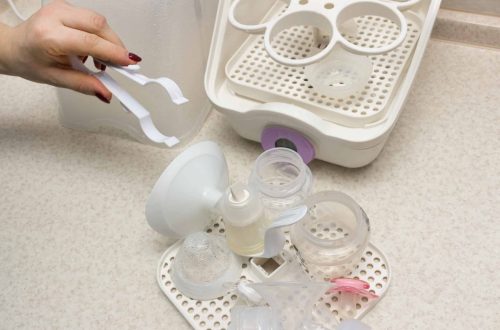
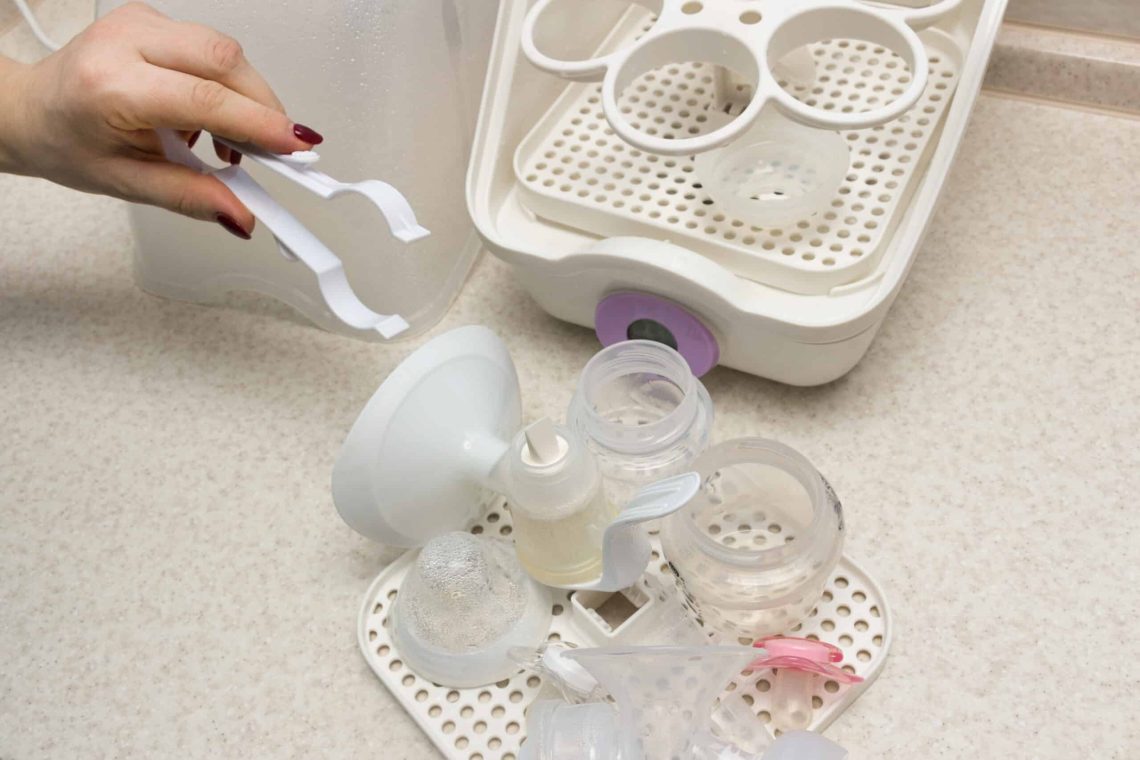
Breast milk is full of goodness, which is also why germs grow quickly in milk left on pump parts. A simple wash routine keeps every session clean, and protects your pump at the same time. The short answer Rinse and wash the milk parts after every session, and sanitise them at least once a day. Never wash, soak or boil the motor hub. Only the parts that touch milk get washed. Before you start: keep the motor dry A wearable pump has a motor hub that sits on top of the milk parts. Water or milk inside the motor can damage it, and liquid damage isn’t covered by the warranty.…
-
How Do I Know When To Replace My Breast Pump Parts?
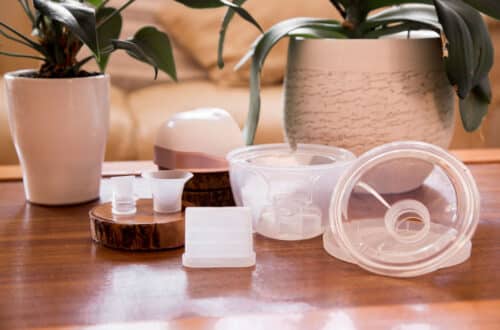
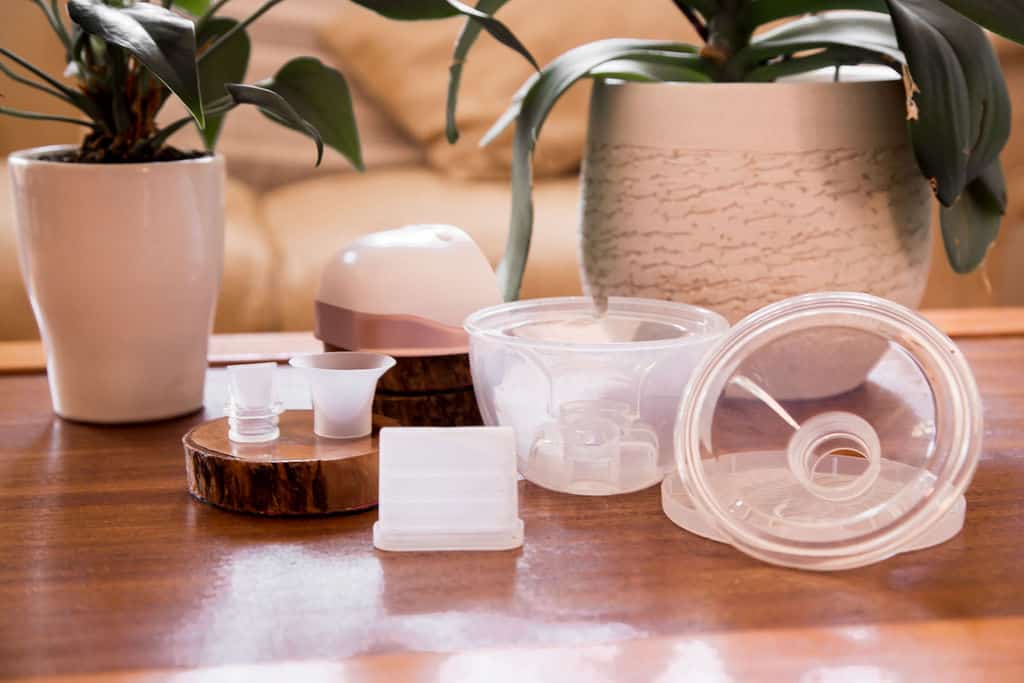
Your pump works hard, often several times a day. The soft silicone parts stretch a little with every session and every wash, and once they wear, suction drops. Replacing them on time keeps your pump working the way it did on day one. The short answer On average, replace your silicone pump parts every 3 to 6 months, depending on how often you pump. Replace any part straight away if it’s torn, cracked or stretched. Why pump parts wear out Every time the motor pulls, the silicone valve and diaphragm flex and release. That movement is what creates suction. Over hundreds of sessions, and with daily washing and sterilising, silicone…